
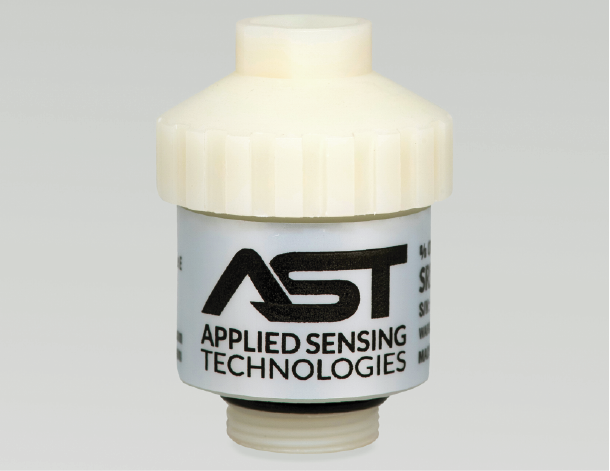
Diving Oxygen Sensors- A Key Component of a Re-breather!
Oxygen Sensors in Diving: Why They Are Critical for Rebreather Safety
If you are a passionate sea diver, you already understand the importance of every component in a rebreather. Diving offers excitement and exploration. However, safety always comes first.
To ensure safe diving, a rebreather must operate under proper conditions at all times. Most importantly, it must deliver a reliable oxygen supply.
As depth increases, water pressure rises. Consequently, maintaining proper breathing conditions becomes more challenging. Without the right support system, breathing underwater becomes difficult and unsafe.
For this reason, the last thing any diver wants is a failure in oxygen delivery. In fact, if you ask an experienced diver what drives a rebreather, the answer is simple: the oxygen sensor.
The Role of Oxygen Sensors in Rebreathers
Oxygen sensors continuously monitor oxygen levels inside the rebreather system. As a result, they ensure that the diver receives the correct oxygen concentration at all times.
Because of this critical role, sensor performance directly impacts diver safety. Even a small error can lead to serious consequences.
What Every Diver Must Know About Oxygen Sensors
To avoid potential risks, divers must understand how their oxygen sensors work. In addition, they should be aware of key operating factors that affect performance and reliability.
Key Questions Every Diver Should Ask
-
Under what conditions should sensors be stored before and after a dive?
-
What is the expected operating life of the sensor?
-
How often should the sensor be calibrated?
These questions are essential. More importantly, knowing the answers helps ensure safe and reliable diving operations.
Why This Knowledge Matters
Proper handling, storage, and calibration of oxygen sensors can improve measurement accuracy, extend sensor life, prevent unexpected failures, and enhance overall diving safety.
Therefore, understanding these factors is not optional. It is a critical part of responsible diving.
In the following sections, we will answer these questions in detail and provide practical guidance for safe sensor use in diving applications.
What is a Diving Oxygen Sensor?
Diving oxygen sensors have been in use since 1960s. This vital component of a re-breather inform the diver about the partial pressure of oxygen in breathing loop. Oxygen sensors are devised as partial pressure measuring devices which can measure 100% oxygen at sea level with very high accuracy. Under deep sea water, the pressure could increase up to 1.6 atmosphere. It is very important that oxygen sensor response accurately under increased pressure of oxygen. Oxygen sensor is basically an electrochemical cell which consist of several chemical components, referred as a galvanic fuel cell and an electronic circuit. The reactivity of chemical components gradually decreases and as a result it loses its ability to sense oxygen. This phenomenon is similar to a simple battery cell which provides current, and voltage but with time and usage its activity reduces and it decays to the point of no-use.
Operational Principal
Inside these galvanic type micro fuel cells, a chemical reaction takes place when oxygen comes in contact with the sensing element of the sensor. As a result, a current signal is produced (when current flows between lead anode and cathode). The amount of current produced is directly proportional to partial pressure of oxygen present in the gas mixture in contact with cell’s sensing membrane.
Calibration of Oxygen Sensor
All electrochemical sensors generate a current signal proportional to the partial pressure of oxygen in a gas mixture. However, at constant oxygen concentration, different sensors produce slightly different current signal due to minor physical variations in various components of the sensor, for example thickness of the sensing membrane and surface area of the sensing element. Therefore, it is critical to calibrate the sensor with a know oxygen standard to normalize the sensor current signal of each sensor. It is highly recommended to calibrate the sensor before each dive.
Storage of Oxygen Sensor
Storage conditions directly affect the life span of the diving oxygen sensors.
• Sensor should not be stored in very dry environment as it can shorten the life of sensor by causing evaporation of liquid electrolyte.
• Oxygen sensor should be stored at room temperature or in a refrigerator: cooler temperature will reduce the chemical reaction of the sensor and minimize sensor decay. Sensor should never be frozen, freezing of electrolyte can permanently damage the sensor.
• The storage recommendations which come from the manufacturer should be followed.


Leave a Reply